
Maize production in India
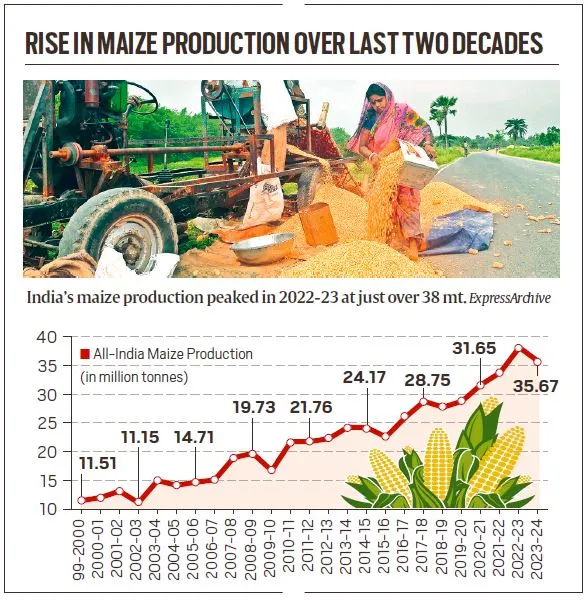
Maize, also known as corn, is one of the most versatile crops in India, serving multiple purposes such as food, fodder, and industrial raw material.
Cotton production in India
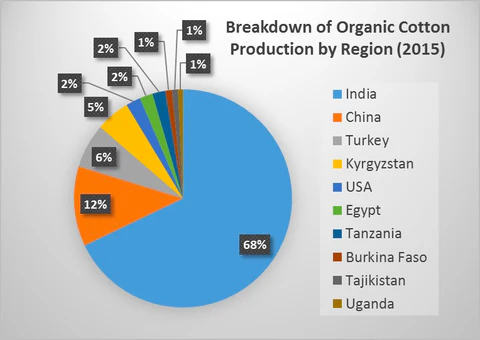
Cotton is one of India’s most significant cash crops, playing a crucial role in the country’s agriculture and textile industry.
Sugarcane production in India
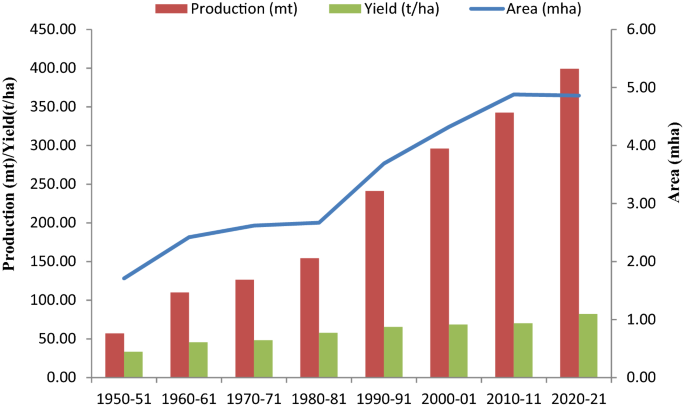
Sugarcane is one of the most important cash crops in India, a major source of livelihood for millions of farmers and a vital industry providing sugar, ethanol, and molasses.
tobacco production in India
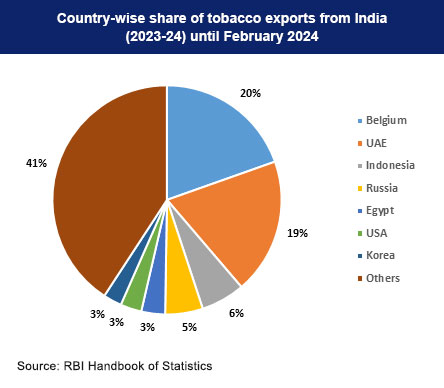
Tobacco is a significant commercial crop in India, contributing to agricultural income, employment, and export revenue.
Derwent Whittlesey’s Classification of World Agricultural
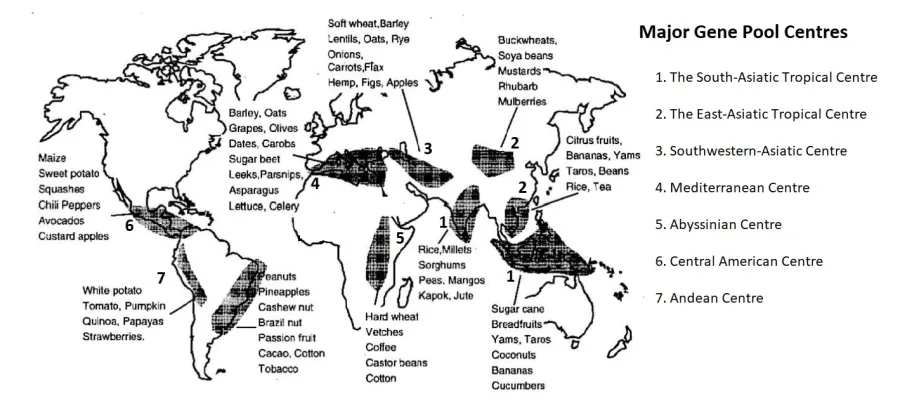
Agricultural classification is a systematic way to categorize different agricultural practices based on climatic conditions, geographic locations, soil types, and economic factors.
Agro Climatic Zones of India
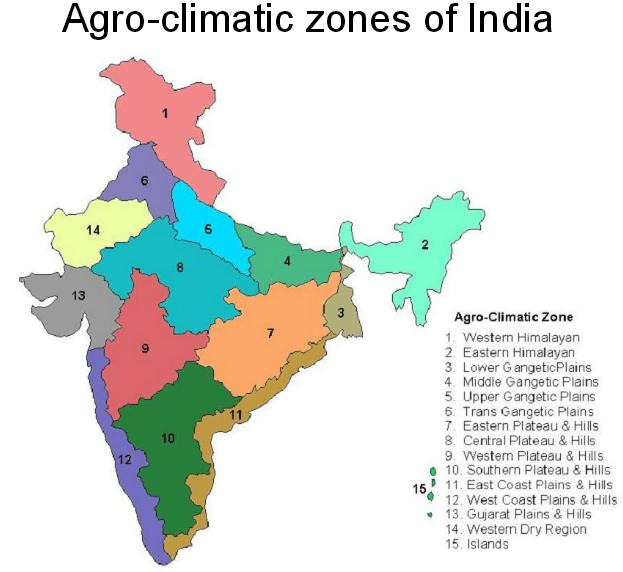
Agro Climatic Zones are regions characterized by specific climatic conditions, soil types, and topography that influence agricultural practices.
Agro Climatic Zones of Karnataka
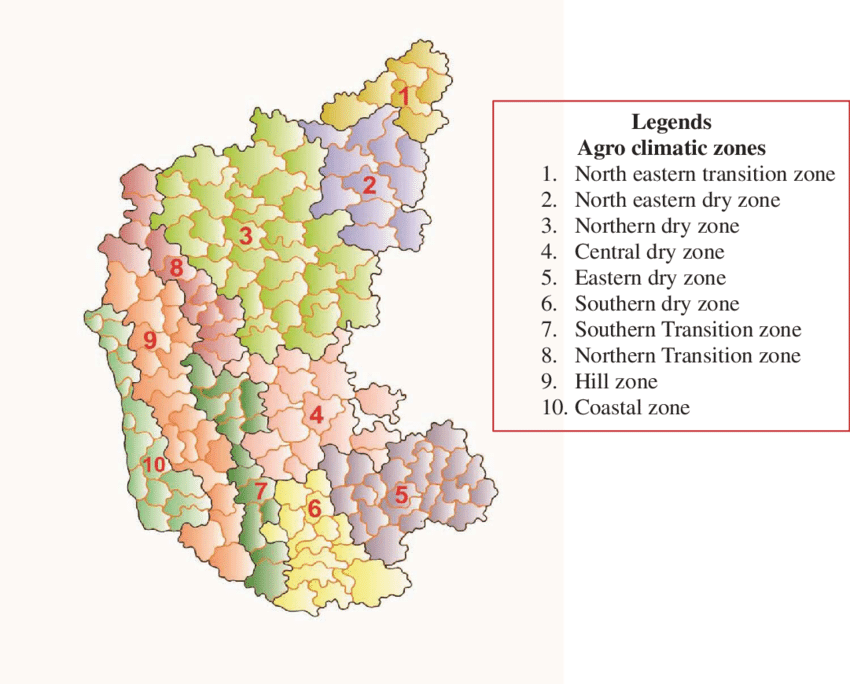
Agro Climatic Zones refer to regions characterized by specific climatic conditions, topography, and soil types that influence agricultural practices.
Central Business District Model
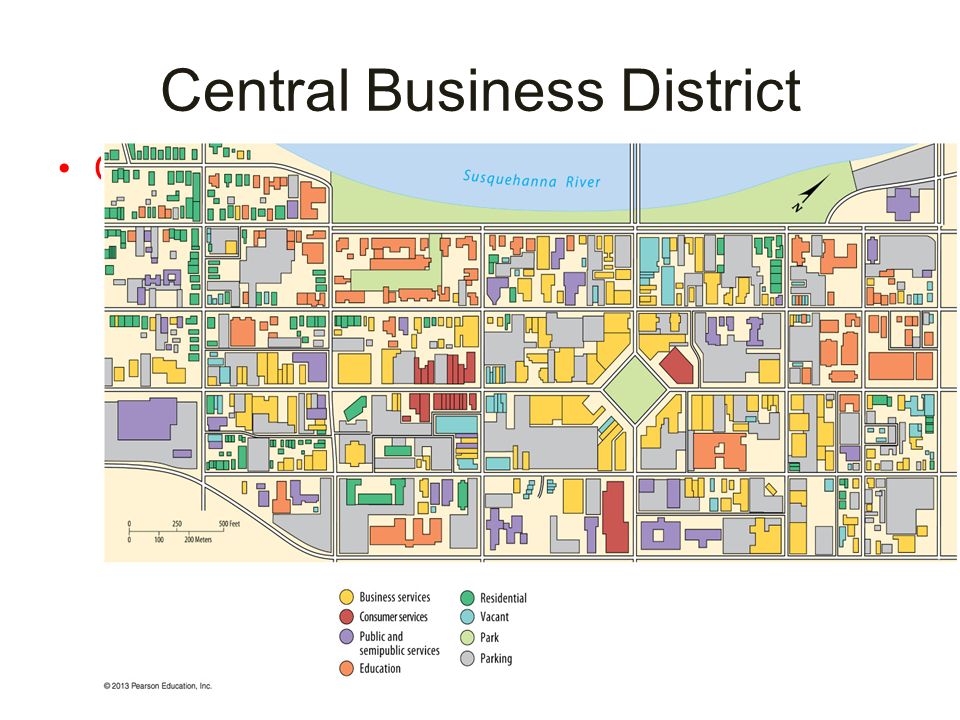
The Central Business District (CBD) Model is a key concept in urban geography and planning that outlines the spatial organization of cities.
Rostow’s Economic Growth Model
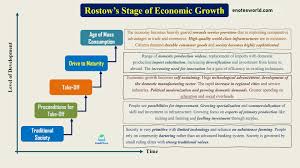
Walt Rostow, an American economist and political theorist, introduced the Stages of Economic Growth model in 1960.
Heartland Theory of Mackinder

The Heartland Theory was developed by British geographer Sir Halford Mackinder in the early 20th century.