
The Peninsular Plateau
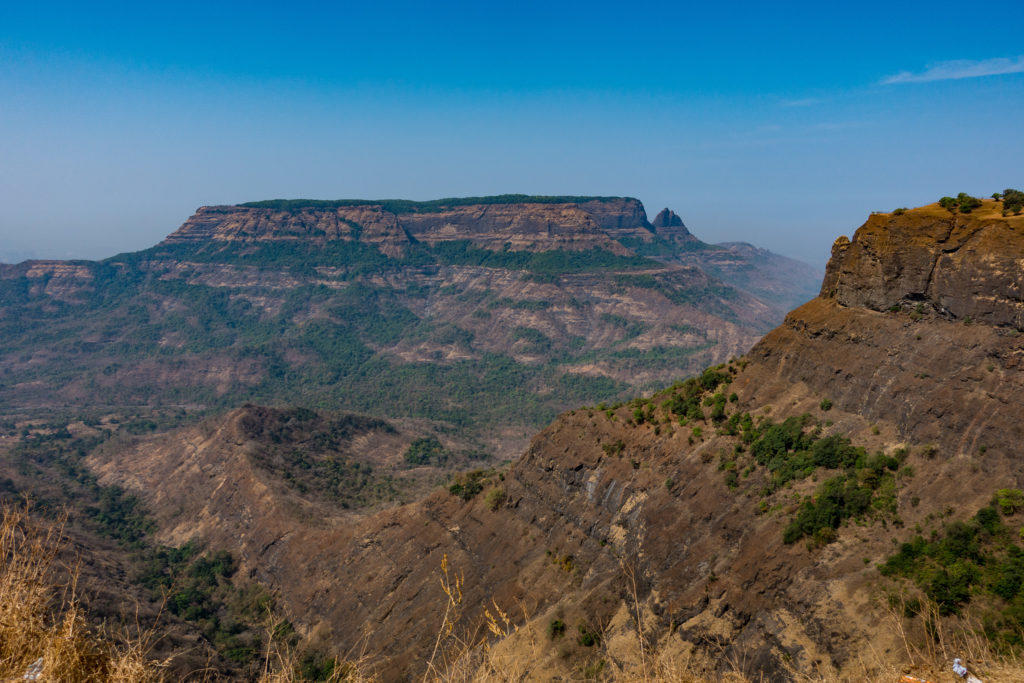
The Peninsular Plateau, also known as the Deccan Plateau, is a vast and ancient landmass forming the majority of southern India.
Aravalli Mountain
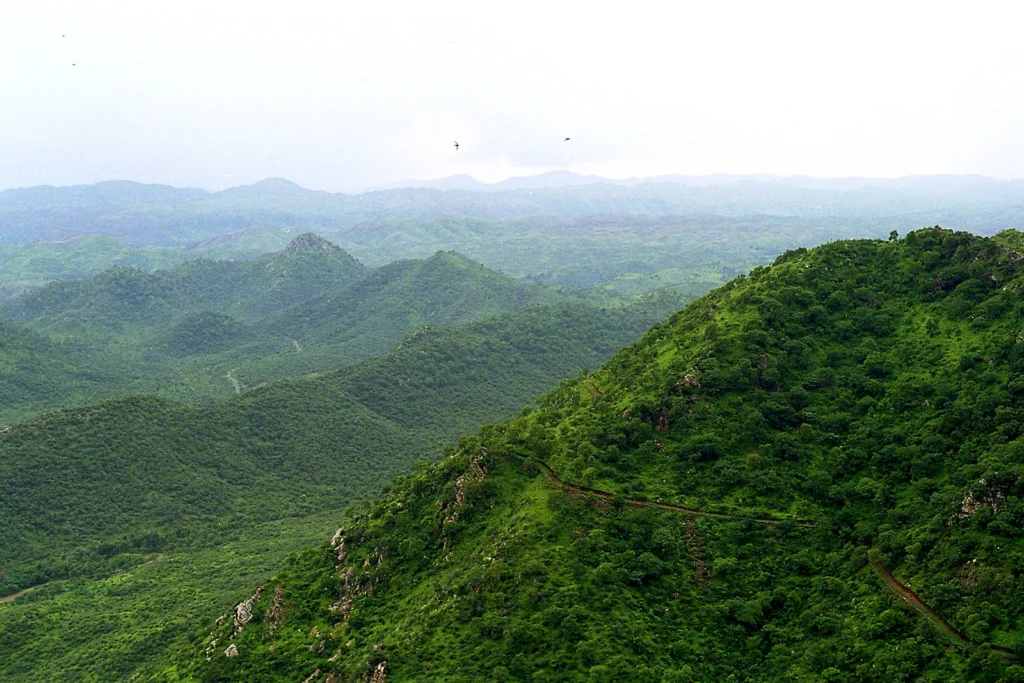
The Aravalli Range, also known as the “backbone of Rajasthan,” is one of the oldest mountain ranges in the world
Alluvial soil

Alluvial soil is formed from the sediments deposited by rivers as they flow through plains and valleys.
Lower Himalaya
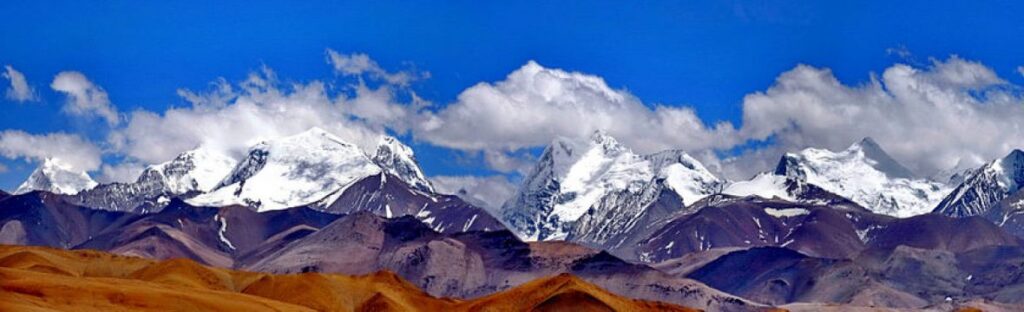
The Shivalik Range, also known as the “Outer Himalaya” or “Lower Himalaya,” lies at the foothills of the Himalayan mountain system, forming the southernmost range of the Himalayas.
Great Northern Plains of India
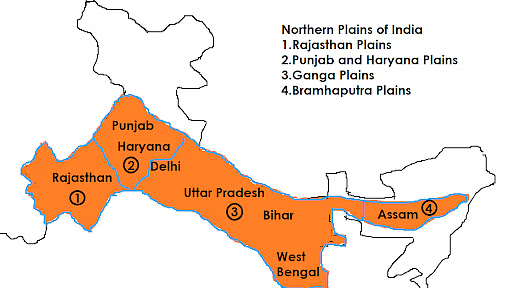
The Great Northern Plains of India are among the most fertile regions in the world, spanning a vast area across several states in northern India.
Middle Himalaya
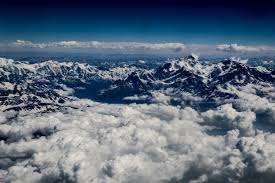
The Middle Himalaya runs parallel to the Great Himalaya and Shivalik ranges, forming an intermediate region with elevations ranging from 3,500 to 4,500 meters.
Great Himalaya
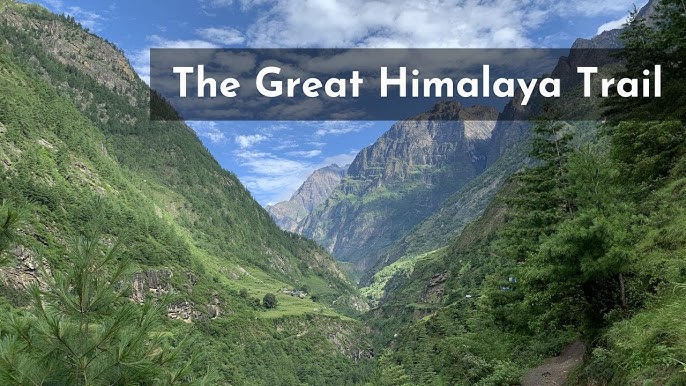
The Great Himalaya Range, with an average altitude of 6,000 meters, stretches over 2,400 kilometers across five countries: India, Nepal, Bhutan, China, and Pakistan.
Purvanchal mountain
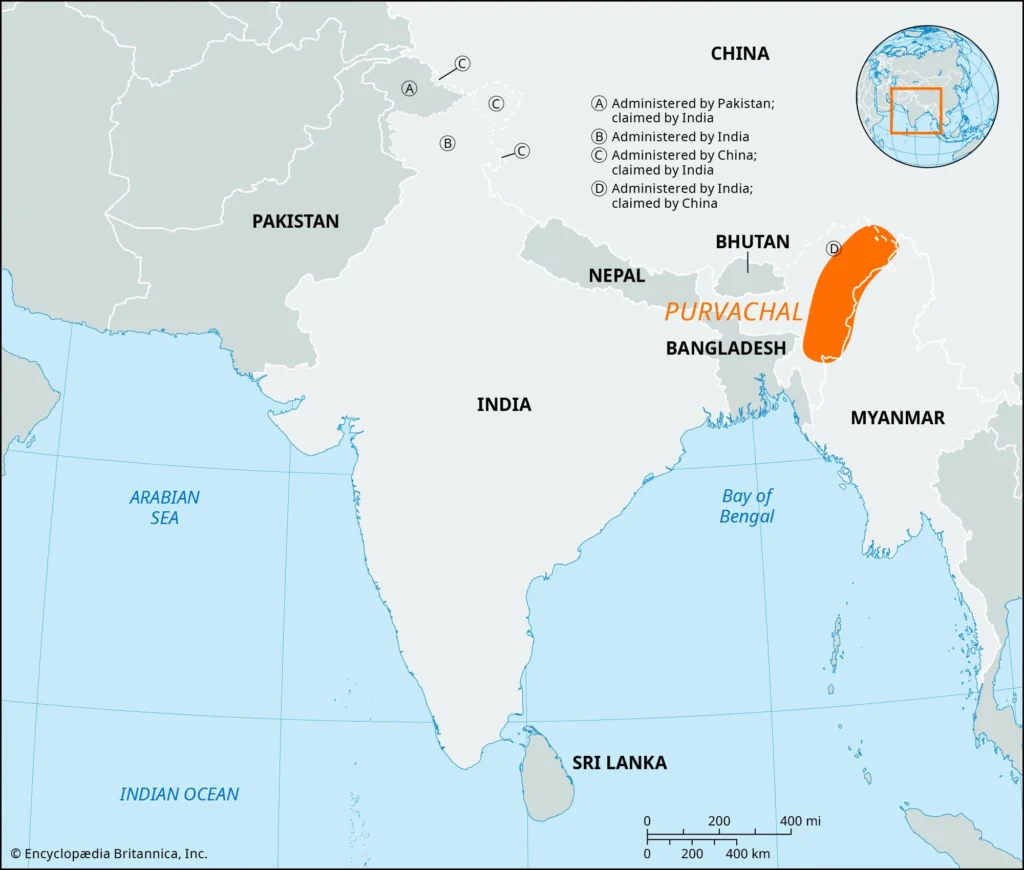
The Purvanchal Mountains, also referred to as the Eastern Hills, are the easternmost extension of the Himalayan range, curving around to the northeast of India.
Trans Himalayan major mountain ranges
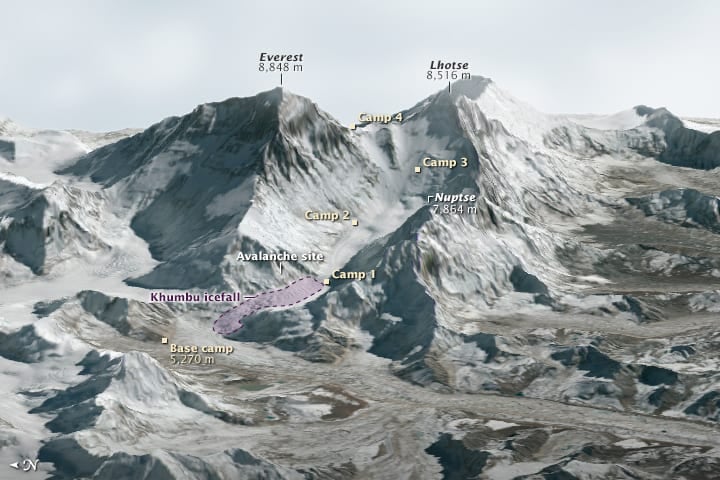
The Trans-Himalayan region comprises some of the most rugged and geologically significant mountain ranges in the world, lying north of the main Himalayan range.
Loktak lake
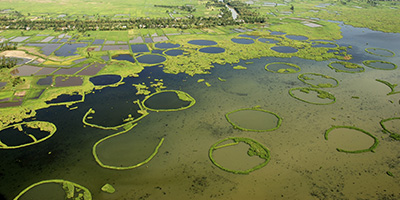
Loktak Lake, located in the northeastern state of Manipur, India, is one of the most unique and ecologically significant freshwater lakes in South Asia.