
Chloroplasts – UPSC

Chloroplasts are vital organelles found in the cells of plants and algae, responsible for conducting photosynthesis, a process crucial for life on Earth.
Ribosomes – UPSC

Ribosomes are one of the most fundamental components of cells, responsible for synthesizing proteins, which are essential for virtually all cellular processes.
Plastids – UPSC

Plastids are a group of double-membraned organelles found in plant cells and some algae.
Cytoplasm – UPSC

The cytoplasm is a vital component of all eukaryotic and prokaryotic cells.
Nucleus -UPSC

The nucleus is one of the most essential organelles in a eukaryotic cell, often referred to as the “control center” because it regulates all the activities of the cell, particularly the storage, replication, and expression of genetic material.
Mitochondria – UPSC
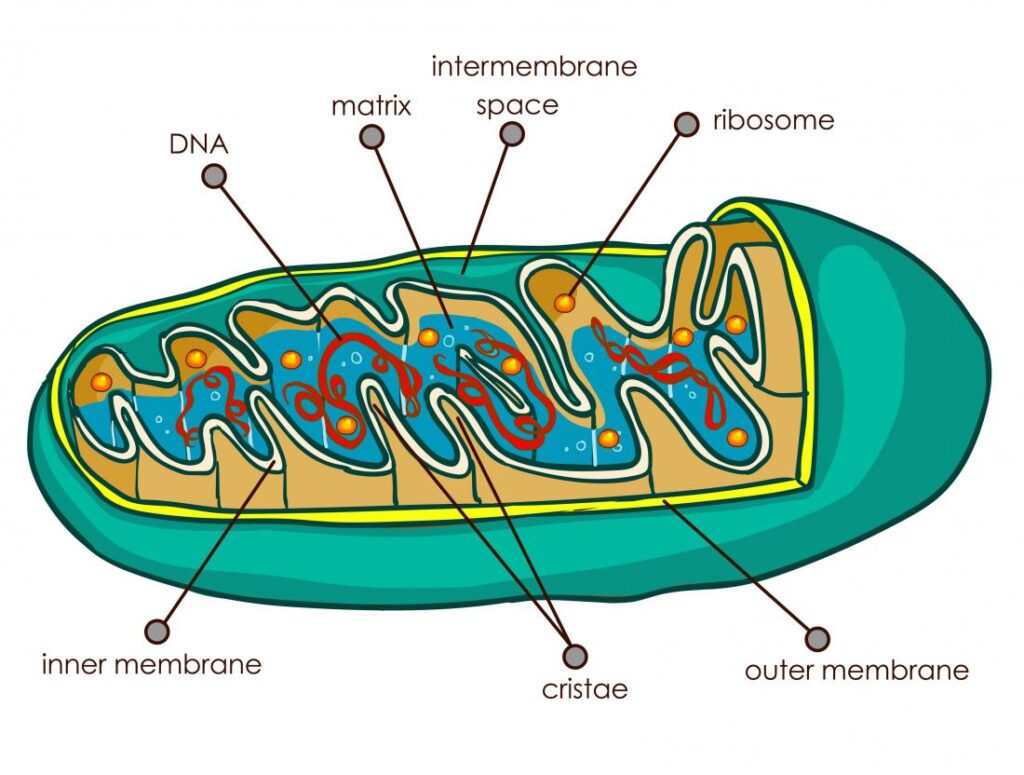
Mitochondria are often referred to as the “powerhouses” of the cell due to their essential role in generating cellular energy.
Lipoproteins – UPSC

Lipoproteins are complex particles composed of lipids (fats) and proteins that play a crucial role in the transport of fats within the bloodstream
Lipids – UPSC
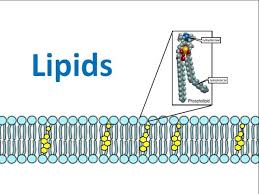
Lipids are a diverse group of naturally occurring organic compounds that are insoluble in water but soluble in organic solvents.
ಕಾರ್ಬೊಹೈಡ್ರೇಟ್ಗಳು

ಕಾರ್ಬೊಹೈಡ್ರೇಟ್ಗಳು (Carbohydrates) ಆಹಾರ ಶ್ರೇಣಿಯಲ್ಲಿನ ಪ್ರಮುಖ ಘಟಕಗಳಲ್ಲೊಬ್ಬವು. ಈ ಪೋಷಕಾಂಶಗಳು ಶರೀರದ ऊर्जा ಉತ್ಪಾದನೆಗೆ ಮುಖ್ಯವಾಗಿದ್ದು
Carbohydrates-UPSC
Carbohydrates are a fundamental class of biomolecules that play a critical role in providing energy to living organisms.