
Lipids are a diverse group of naturally occurring organic compounds that are insoluble in water but soluble in organic solvents. They play a critical role in various biological functions, including energy storage, cell membrane structure, and signaling pathways. For UPSC aspirants, understanding lipids is essential as it ties into broader topics like biology, chemistry, health, and nutrition, which frequently appear in both the Preliminary and Main examination.
In this eBook, we will explore the classification, functions, significance, and metabolism of lipids, along with their relevance in health and disease. This guide will provide a holistic understanding of lipids in a manner relevant to both the UPSC syllabus and general scientific awareness.
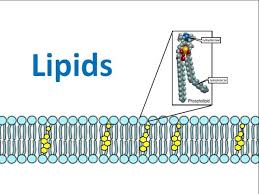
Lipids are organic molecules composed mainly of carbon (C), hydrogen (H), and oxygen (O). However, unlike carbohydrates, the ratio of hydrogen to oxygen in lipids is much higher. They are hydrophobic (water-insoluble) due to their non-polar nature. Lipids are essential to life and serve multiple purposes, from acting as structural components of cell membranes to providing energy reserves.
Lipids can be broadly classified into four categories:
Fatty Acids: These are carboxylic acids with a long hydrocarbon chain. Fatty acids are a basic component of many complex lipids. They can be:
Triglycerides (Fats and Oils): The most common type of lipids, consisting of three fatty acid molecules bonded to a glycerol backbone. Triglycerides are a significant energy storage form in animals and plants.
Phospholipids: These are crucial components of cell membranes. Phospholipids consist of two fatty acids, a phosphate group, and glycerol. They form the lipid bilayer in cells, providing a barrier and controlling the flow of substances in and out of cells.
Steroids: A type of lipid with a characteristic four-ring structure. Cholesterol is the most well-known steroid and serves as a precursor for steroid hormones like estrogen, testosterone, and vitamin D.
Lipids serve several vital functions in biological systems:
Energy Storage: Lipids are the most energy-dense macronutrient, providing about 9 kcal/g, which is more than double the energy provided by carbohydrates or proteins (4 kcal/g). Triglycerides stored in adipose tissue serve as a major energy reserve in the body.
Structural Role: Phospholipids and cholesterol are key components of cell membranes, maintaining membrane fluidity and integrity. Without lipids, cells would lose their structural integrity.
Insulation and Protection: Fat deposits act as insulators and shock absorbers, protecting vital organs and maintaining body temperature in mammals.
Signal Transduction: Lipids such as steroid hormones and certain fatty acids act as signaling molecules. Hormones derived from lipids regulate various physiological processes, including metabolism, immune response, and reproduction.
Transport and Absorption of Fat-Soluble Vitamins: Lipids help in the absorption of vitamins A, D, E, and K, which are fat-soluble. Without lipids, these essential nutrients cannot be adequately absorbed by the body.
Lipids undergo complex metabolic pathways for energy production and biosynthesis. Understanding lipid metabolism is crucial for grasping how the body utilizes fats and how imbalances can lead to metabolic disorders.
Lipids are ingested primarily in the form of triglycerides. The digestion of fats begins in the mouth with the enzyme lingual lipase and continues in the stomach with gastric lipase. However, most of the fat digestion occurs in the small intestine. Bile salts, produced by the liver, emulsify fats into smaller droplets, increasing the surface area for the enzyme pancreatic lipase to act on.
Once digested, fatty acids and monoglycerides are absorbed by the intestinal cells, where they are reassembled into triglycerides and transported to different tissues via lipoproteins like chylomicrons.
Beta-oxidation is the primary process by which fatty acids are broken down in the mitochondria to generate energy. This pathway results in the formation of acetyl-CoA, which then enters the citric acid cycle (Krebs cycle) to produce ATP, the energy currency of the cell.
Lipogenesis is the process of synthesizing fatty acids from acetyl-CoA, which occurs in the liver and adipose tissue. This pathway is active when there is an excess of carbohydrates and energy in the body, converting the excess into stored fat.
When carbohydrate intake is low, the body resorts to fat as the primary energy source, leading to the production of ketone bodies through a process called ketogenesis. Ketone bodies serve as an alternative fuel, especially for the brain, during prolonged fasting or low-carbohydrate diets.
Lipids play a central role in health, and imbalances can lead to a variety of diseases.
Elevated levels of low-density lipoprotein (LDL), often termed “bad cholesterol,” can lead to plaque formation in arteries, increasing the risk of atherosclerosis and heart attacks. On the other hand, high-density lipoprotein (HDL), or “good cholesterol,” helps remove excess cholesterol from the bloodstream, reducing the risk of cardiovascular diseases.
Excessive accumulation of triglycerides in adipose tissue leads to obesity, a significant risk factor for numerous metabolic disorders, including Type 2 diabetes, hypertension, and heart disease. A balance of calorie intake and expenditure is critical for maintaining healthy lipid levels in the body.
Several drugs, such as statins, are used to lower cholesterol levels in individuals at risk of cardiovascular diseases. Statins inhibit the enzyme HMG-CoA reductase, which plays a key role in cholesterol biosynthesis.
Lipids are part of the UPSC syllabus under subjects like Biology, Chemistry, and Health. Here’s how they may be relevant to different sections of the exam:
Lipids, despite their bad reputation in modern diets, are essential components of life. They play vital roles in energy storage, cellular structure, and signaling pathways. For UPSC aspirants, a thorough understanding of lipids and their relevance to health and disease can provide a competitive edge in exams. Whether appearing in biology questions or in topics related to health and nutrition, lipids will continue to be a significant area of focus in competitive exams.
Remember, while knowledge of facts is critical, UPSC also tests your ability to interlink concepts. So, try to connect lipid-related topics with other subjects like economics (impact of diseases on healthcare), environment (lipids in ecosystems), and polity (public health policies).
Maximize the benefits of mock tests for IAS and KAS preparation with guidance from Amoghavarsha IAS Academy . For more details, visit https://amoghavarshaiaskas.in/.
Youtube: click here


Amoghavarsha IAS/KAS Academy was founded in 2014 since from their we have been excellence in the field of civil Service examination preparation and state services. The Academy is completely dedicated to provide excellent quality education by experts and bringing innovations etc.
Copyright © 2014 – 2024 Amoghavarsha IAS Academy. All Rights Reserved
Developed & Maintained by BIGGSITE– Manikanta G.V
Amoghavarsha E Magazine
Current Affairs ( Prelims )
UPSC
KPSC