
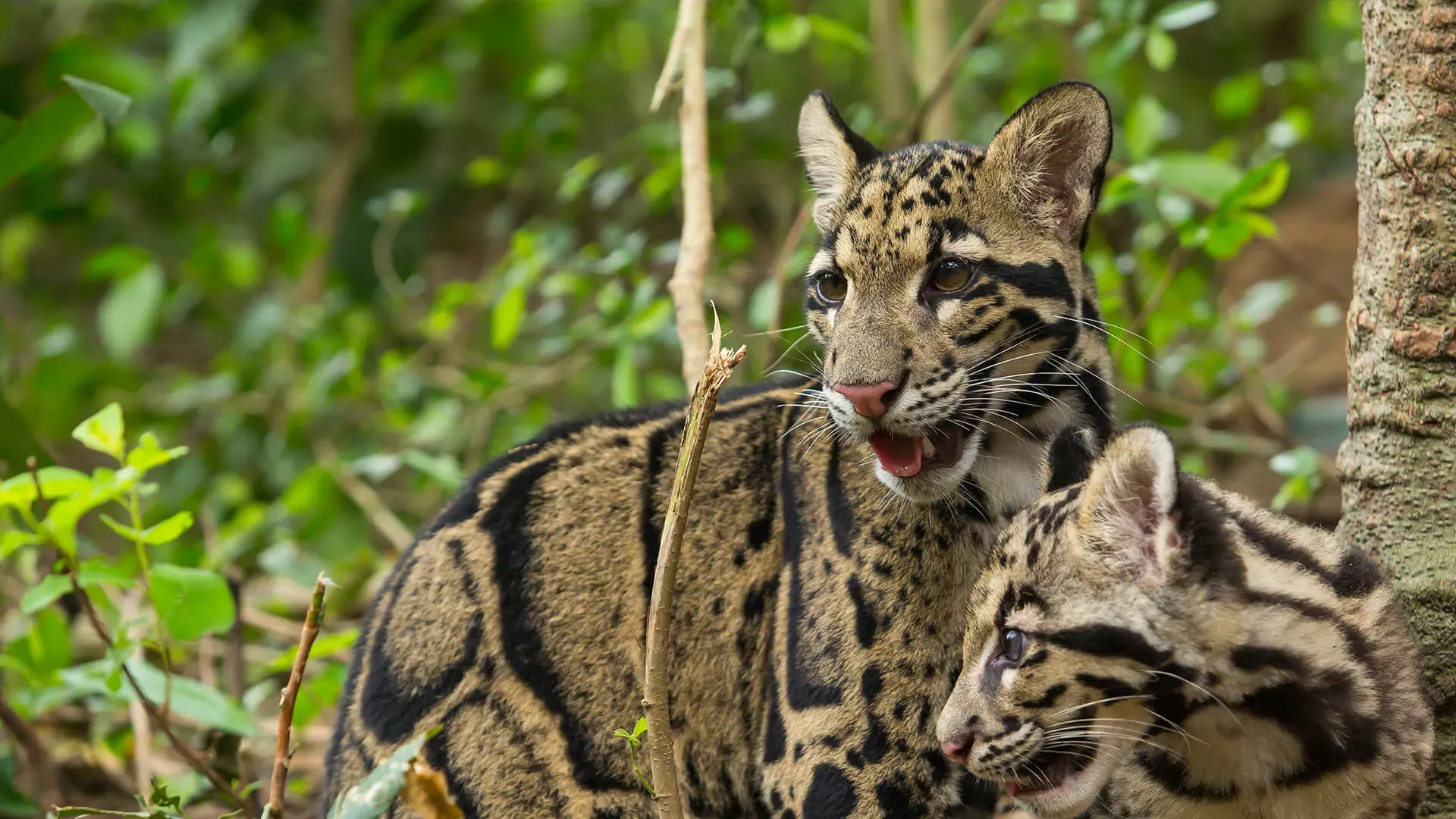
What is Clouded Leopard

Introduction

The Clouded Leopard (Neofelis nebulosa) is a strikingly beautiful and elusive big cat found in the forests of Southeast Asia and parts of China. It is one of the most fascinating species in the wild and plays an important role in the ecosystem as a predator. For UPSC Civil Services Aspirants, understanding the significance of such species in biodiversity conservation, their ecological roles, and the challenges they face is crucial. This knowledge is vital for General Studies papers, particularly in Environmental Ecology, Biodiversity, and Conservation.

In this eBook, we will delve into the habitat, behavior, conservation status, and challenges faced by the Clouded Leopard, while also discussing its significance in the broader context of conservation efforts across India and the world.

1. Introduction to the Clouded Leopard

The Clouded Leopard is a medium-sized wild cat known for its distinctive coat pattern of dark, cloud-like markings that provide it with excellent camouflage in the dense, tropical forests it inhabits. Unlike other big cats, the Clouded Leopard is not known for its large size but rather for its agility and adaptability in the trees.

  1. Physical Characteristics

    • The Clouded Leopard has a sleek and muscular build, with a coat characterized by large, irregular cloud-like spots. The fur is a mix of pale yellow to grayish-brown, with darker spots and rosettes.
    • Its long tail, which can be as long as its body, helps with balance while climbing trees. The Clouded Leopard is a skilled arboreal (tree-dwelling) cat, with special adaptations in its limbs and claws that allow it to move through the canopy with ease.
    • They possess the largest canine teeth in proportion to their size of any living cat, which helps them tackle a variety of prey.
  2. Range and Habitat

    • Clouded Leopards are typically found in tropical and subtropical forests, including Himalayan foothills, India’s northeastern states, parts of Southeast Asia (e.g., Thailand, Myanmar, Laos, Cambodia, and Vietnam), and some regions of southern China.
    • They prefer dense forests, including rainforests and cloud forests, as these environments offer ample cover for stalking prey and living a solitary life.

2. Behavioral Traits of Clouded Leopards

Clouded Leopards are solitary and nocturnal animals, which makes them elusive and difficult to observe in the wild. They are known for their agility and climbing skills, which distinguish them from other big cats.

  1. Diet and Hunting Techniques

    • The Clouded Leopard is primarily a carnivore. It preys on a wide range of animals, including small to medium-sized mammals, birds, and occasionally reptiles.
    • They are ambush predators, stalking and pouncing on prey from an elevated position in trees. They are also known to hunt on the ground.
    • Their hunting methods are varied and efficient, utilizing stealth and surprise. The Clouded Leopard’s keen vision helps them in low-light environments, especially when hunting at dusk or during the night.
  2. Climbing and Tree Dwelling

    • One of the Clouded Leopard’s most remarkable adaptations is its ability to climb trees. Unlike most big cats, Clouded Leopards have flexible ankles that allow them to climb down trees headfirst, an essential skill for a creature that spends much of its life in the trees.
    • Their long tail acts as a counterbalance while they move swiftly through the canopy. This arboreal lifestyle helps them evade predators and gives them access to a wider range of prey.
  3. Reproduction and Lifespan

    • Clouded Leopards do not have a specific breeding season, and they give birth after a gestation period of approximately 85-95 days. The female typically gives birth to 1-3 cubs.
    • Cubs are born blind and are dependent on their mother for survival. They stay with the mother for several months before becoming independent.
    • In the wild, Clouded Leopards live for 10 to 15 years on average, although some individuals in captivity have lived longer.

3. Conservation Status of Clouded Leopards

The Clouded Leopard is classified as Vulnerable by the International Union for Conservation of Nature (IUCN), with an estimated population of only 10,000 individuals left in the wild. Their population is declining due to a variety of human-induced factors.

  1. Threats to Clouded Leopards

    • Habitat Loss: The rapid deforestation in Southeast Asia and parts of India is one of the major threats to the Clouded Leopard’s habitat. As forests are cleared for agriculture, logging, and infrastructure development, these cats lose their natural homes and hunting grounds.
    • Poaching and Illegal Trade: Clouded Leopards are also targeted for their beautiful pelts, which are highly prized in illegal wildlife markets. Furthermore, they are often hunted for their bones and other body parts, which are used in traditional medicines.
    • Human-Wildlife Conflict: As human populations encroach into areas where Clouded Leopards live, these cats may come into conflict with farmers or livestock owners. In retaliation, they may be killed or trapped.
  2. Conservation Efforts

    • Protected Areas: Several national parks and wildlife sanctuaries in India and Southeast Asia, such as Kaziranga National Park, Namdapha National Park, and Biligiri Rangan Hills Wildlife Sanctuary, serve as crucial habitats for the Clouded Leopard.
    • Captive Breeding Programs: Captive breeding programs in zoological parks are working to preserve the species and raise awareness about the Clouded Leopard’s plight.
    • Anti-poaching Measures: Law enforcement agencies in countries with Clouded Leopard populations are taking steps to combat poaching and illegal wildlife trade. This includes stricter regulations and increased patrolling in forests.
    • Community Involvement: Conservation programs are also focusing on community-based conservation, where local communities are trained to participate in wildlife protection and awareness-building activities.
  3. Role of Clouded Leopards in Ecosystem

    • As apex predators, Clouded Leopards play an important role in regulating the populations of herbivores and smaller carnivores. This helps maintain a balanced ecosystem, preventing overgrazing and preserving biodiversity.
    • Their presence in the ecosystem indicates a healthy, balanced environment. The decline in their population often signifies underlying ecological problems, such as habitat degradation or loss of prey species.

4. Clouded Leopard and India

  • India is home to a significant portion of the Clouded Leopard’s range, particularly in the northeastern states and Himalayan foothills. It is found in states like Arunachal Pradesh, Assam, Nagaland, and Meghalaya, as well as parts of West Bengal.

    1. Habitat in India

      • India’s northeastern region, with its dense forests and rich biodiversity, provides an ideal habitat for Clouded Leopards. The state of Arunachal Pradesh is known for its varied landscapes, from grasslands to tropical forests, making it one of the primary locations for these cats.
      • Namdapha National Park, located in Arunachal Pradesh, is home to one of the largest populations of Clouded Leopards in India. The park provides a pristine environment for the species, offering dense forests and a wide range of prey species.
    2. Challenges to Conservation in India

      • Human Encroachment: In India, rapid human population growth has led to the encroachment of forest areas, affecting Clouded Leopard habitats. Many of these animals are also killed by local farmers due to livestock predation.
      • Inadequate Law Enforcement: While India has strong wildlife protection laws, implementation of these laws in remote areas remains a challenge. Poaching and illegal wildlife trade continue to be significant threats.
    3. India’s Role in Global Conservation

      • India plays a crucial role in preserving not just the Clouded Leopard, but also other species of wildlife found in its diverse ecosystems. With the country’s emphasis on environmental conservation through national parks, wildlife corridors, and conservation initiatives, it contributes to global biodiversity conservation efforts.
      • The government’s commitment to wildlife protection is seen in its ongoing efforts to involve local communities, enhance anti-poaching measures, and improve the management of protected areas.

5. Importance for UPSC Aspirants

Understanding the conservation of species like the Clouded Leopard is essential for UPSC aspirants, especially for the General Studies papers (I & II), which cover environmental issues, wildlife conservation, and government initiatives in the field of ecology.

  1. Interdisciplinary Knowledge: The study of Clouded Leopards bridges multiple subjects, including ecology, geography, environmental science, and sociology. Understanding the intricacies of species conservation helps aspirants address questions related to biodiversity, sustainable development, and the intersection of human development and wildlife protection.

  2. Current Affairs: Topics like the declining population of species, the impact of human activities on wildlife, and international wildlife conservation efforts are regularly included in current affairs, making it essential for aspirants to stay updated on these issues.

  3. Global and National Impact: The Clouded Leopard represents not just an Indian species but an integral part of the larger ecosystem of Southeast Asia and the broader global biodiversity framework. Understanding its conservation status provides aspirants with a comprehensive view of international collaboration, policy making, and national governance related to wildlife protection.

Conclusion

The Clouded Leopard is an important species in the context of both India’s biodiversity and global wildlife conservation efforts. Its unique features, role in the ecosystem, and the challenges it faces in the modern world highlight the importance of continued conservation work. For UPSC aspirants, understanding the significance of species like the Clouded Leopard helps develop a holistic perspective on environmental issues, critical for effective governance and policy making in the future.

By safeguarding such species, we ensure not only the survival of the animals but also the protection of ecosystems that sustain life on Earth. As future civil servants, aspirants will play a key role in addressing these environmental challenges, making it essential to be informed and proactive in conservation efforts.


Maximize the benefits of mock tests for IAS and KAS preparation with guidance from Amoghavarsha IAS Academy . For more details, visit https://amoghavarshaiaskas.in/.

Youtube: click here

Enroll Now !
Media & News
Similar Articles for UPSC Aspirants

Exclusive Free Coaching for Tumkur University Students

Register Now !