
Niccolo De Conti – UPSC

Niccolo de Conti was a 15th-century Venetian merchant, explorer, and traveler, whose journeys across Asia made significant contributions to the European understanding of the East.
Constitutional Bodies
Constitutional bodies are institutions established by the Constitution of India to perform certain crucial functions, ensuring the governance and administration of the country run smoothly and efficiently.
Emergency Provisions in the Indian Constitution

Emergency provisions are a critical part of the Indian Constitution, empowering the Central Government to respond to extraordinary situations in which the normal functioning of the government may be impaired.
Governor of an Indian State
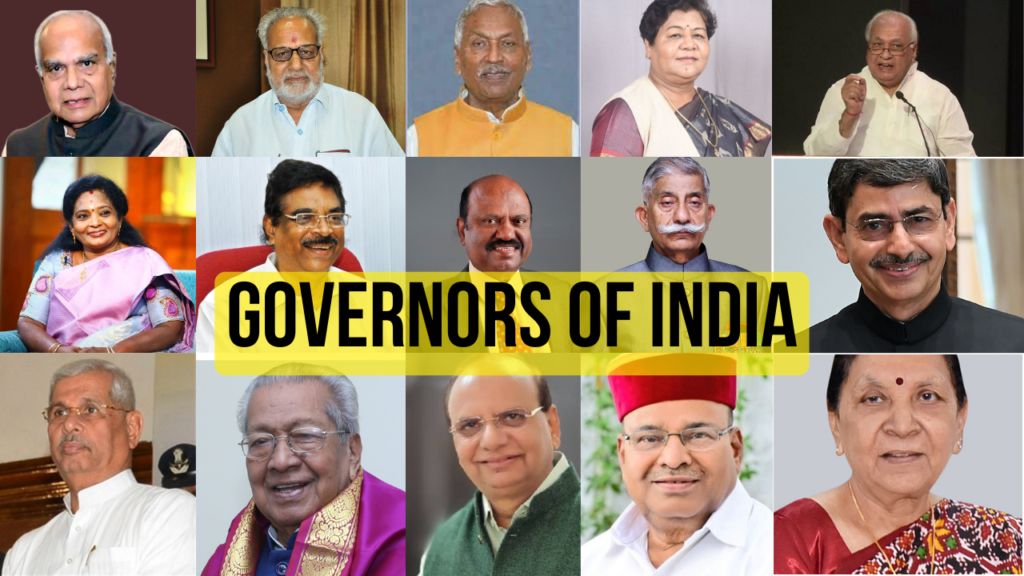
The Governor is the constitutional head of an Indian state, serving as the representative of the President of India.
Article 14 of the Constitution of India

Article 14 of the Indian Constitution guarantees the fundamental right to “equality before the law” and “equal protection of the laws” to all citizens.
Centre and State Relations
The Indian Constitution provides a unique federal structure where powers are divided between the Centre (Union Government) and the States.
Mekong-Ganga Cooperation

The Mekong-Ganga Cooperation (MGC) is a vital initiative that strengthens the partnership between India and five Southeast Asian countries.
ASEAN
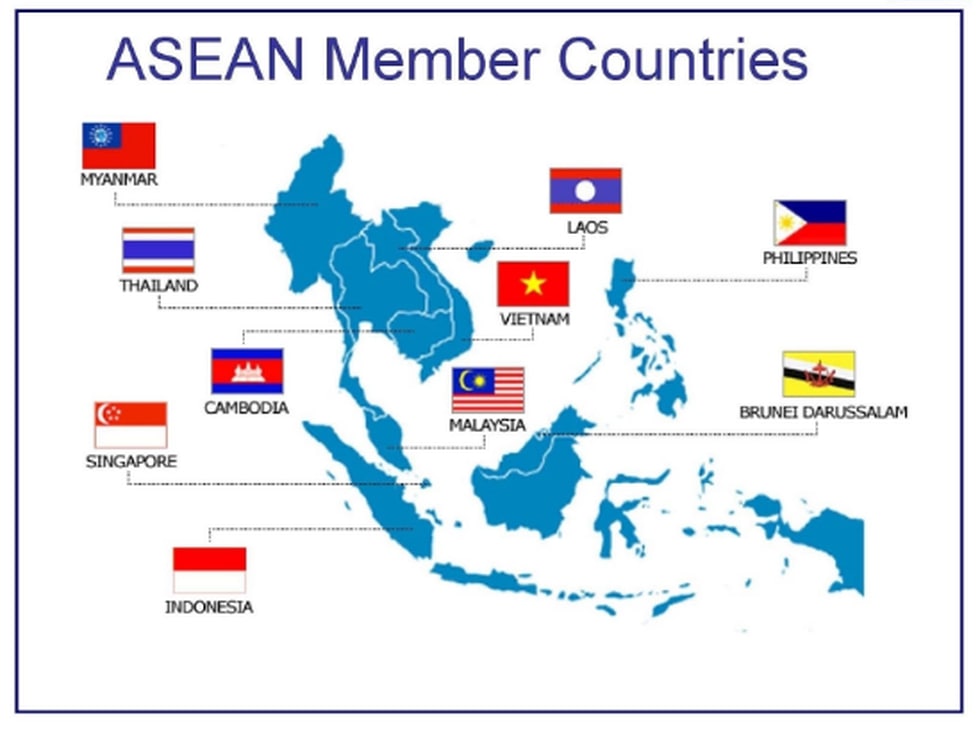
The Association of Southeast Asian Nations (ASEAN) is one of the most important regional organizations in Asia, both in terms of geopolitics and economics.
National Capital Region – Delhi

The National Capital Region (NCR) is one of the most significant urban conglomerations in India, comprising Delhi and adjoining areas in neighboring states.
Classical Languages in India

India is a land of linguistic diversity, with over 22 official languages recognized by the Constitution under the Eighth Schedule