India’s pursuit of strategic autonomy in defence technology has reached a major milestone with the successful development of SFDR (Solid Fuel Ducted Ramjet) technology by the Defence Research and Development Organisation (DRDO). This breakthrough significantly enhances India’s missile capability, especially in long-range air-to-air combat, and is a critical topic for UPSC Prelims and GS Paper III (Defence & Technology).
Under the mentorship of Dr. Ramanna Gowda, we have broken down the core differences that every aspirant must know for the upcoming KPSC and UPSC mains.
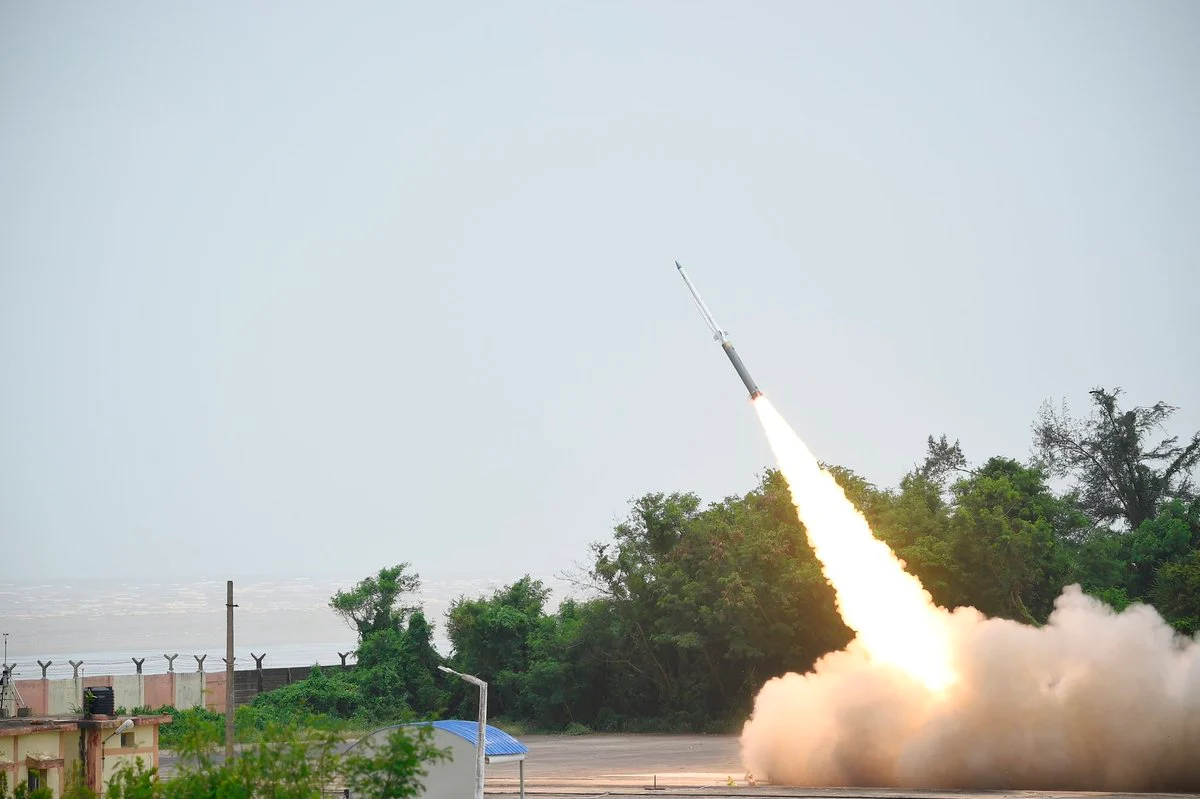
SFDR (Solid Fuel Ducted Ramjet) is an advanced missile propulsion system that combines the advantages of:
Solid fuel rockets
Ramjet engine technology
Unlike conventional rocket motors that burn fuel rapidly, SFDR allows controlled and sustained combustion, enabling missiles to maintain high speed throughout flight.
Key Advantage: High energy even in the terminal phase of flight.
Traditional air-to-air missiles lose speed and energy as fuel burns out. SFDR-powered missiles:
Maintain supersonic speed over long distances
Have greater no-escape zone
Improve kill probability against agile targets
This makes SFDR ideal for Beyond Visual Range (BVR) air combat.
Sustained thrust throughout flight
Higher range and accuracy
Improved maneuverability
Enhanced resistance to electronic countermeasures
Indigenous design and development
Advanced Air-to-Air Missiles (AAMs)
Next-generation variants of ASTRA missile
Potential use in surface-to-air missile systems
UPSC Prelims Angle: Match propulsion system with missile type.
Reduces dependence on foreign defence technology
Strengthens Atmanirbhar Bharat in Defence
Enhances air superiority of Indian Air Force
Boosts India’s deterrence capability
Only a few countries possess mature SFDR or similar ramjet technologies:
United States
Russia
France
India joining this elite group reflects a technological leap in indigenous missile development.
Complex engineering and materials
High development costs
Integration with guidance and control systems
However, DRDO’s success demonstrates India’s growing R&D maturity.
Complex engineering and materials
High development costs
Integration with guidance and control systems
However, DRDO’s success demonstrates India’s growing R&D maturity.
Faster induction into armed forces
Integration with future fighter platforms
Export potential under defence diplomacy
Continued investment in hypersonic and propulsion technologies
DRDO’s SFDR technology milestone marks a significant leap in India’s defence preparedness. By mastering advanced propulsion systems, India strengthens its strategic autonomy and enhances national security. For UPSC aspirants, SFDR is a high-value topic linking science, defence, and self-reliance.
Stay updated with the latest in Indian Governance and Economy. Our classroom programs and test series are meticulously updated to include these recent legislative changes.
Visit us: www.amoghavarshaiaskas.in
Expert Mentorship: Dr. Ramanna Gowda
Call for Admissions: +91 9916766911
Location: Bangalore, Karnataka.
Maximize the benefits of mock tests for IAS and KAS preparation with guidance from Amoghavarsha IAS Academy . For more details, visit https://amoghavarshaiaskas.in/.
Youtube: click here


Amoghavarsha IAS/KAS Academy was founded in 2014 since from their we have been excellence in the field of civil Service examination preparation and state services. The Academy is completely dedicated to provide excellent quality education by experts and bringing innovations etc.
Copyright © 2014 – 2024 Amoghavarsha IAS Academy. All Rights Reserved
Developed & Maintained by BIGGSITE– Manikanta G.V
Amoghavarsha E Magazine
Current Affairs ( Prelims )
UPSC
KPSC