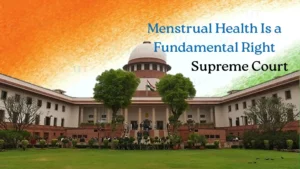
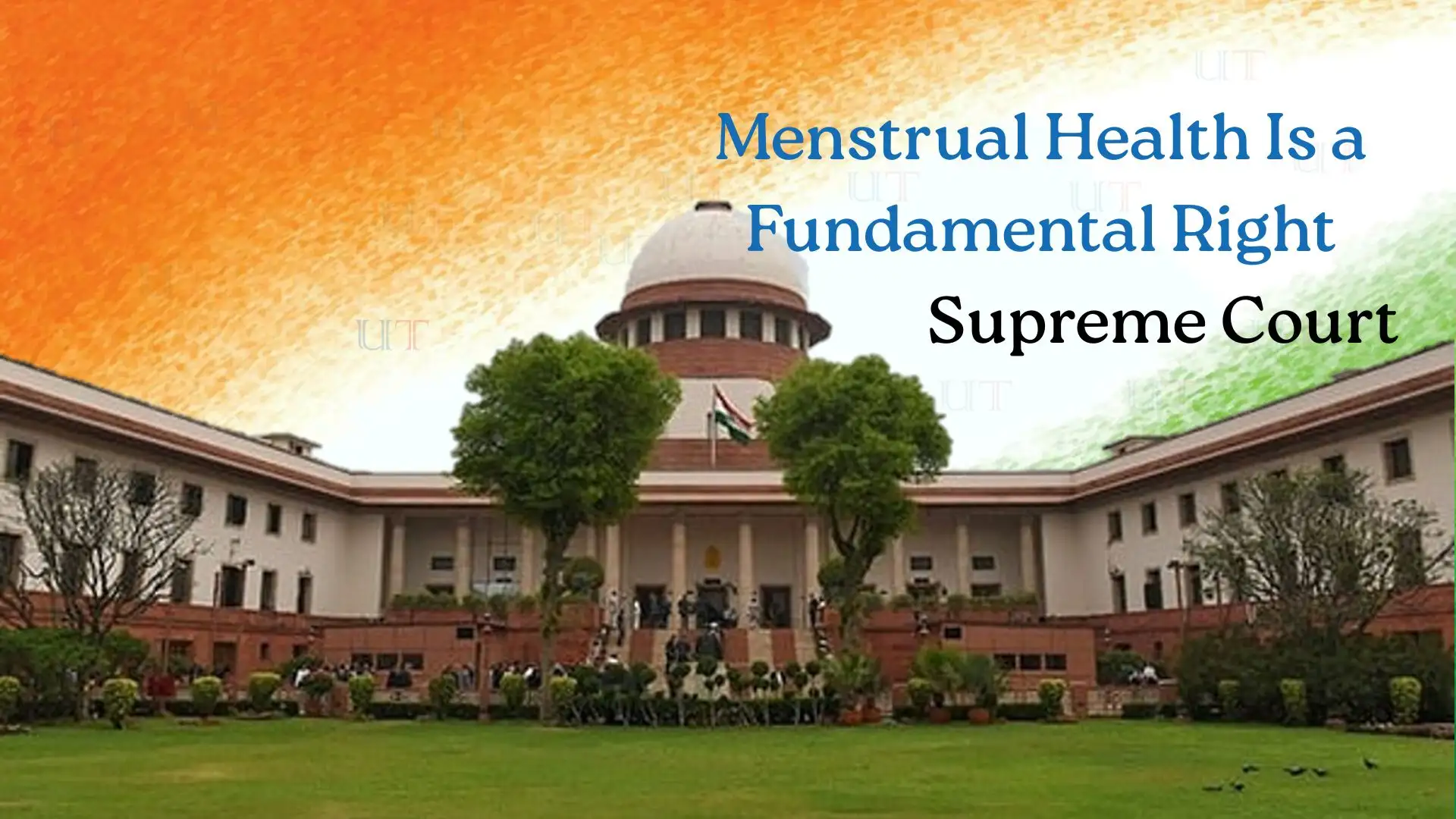
In recent years, Indian courts have increasingly addressed issues of menstrual health, dignity, and access to hygiene, marking an important phase of judicial activism. By interpreting constitutional provisions expansively, the judiciary has contributed to recognising menstrual health as an integral part of fundamental rights, especially the Right to Life and Dignity under Article 21.
For UPSC and KAS aspirants, this topic is significant under Polity, Judiciary, Gender Justice, and Social Justice.
Under the mentorship of Dr. Ramanna Gowda, we have broken down the core differences that every aspirant must know for the upcoming KPSC and UPSC mains.
Judicial activism refers to an approach where courts play a proactive role in:
Protecting fundamental rights
Expanding constitutional interpretation
Addressing governance gaps
Advancing social justice
Indian courts have historically used this approach to protect marginalised groups and evolving social needs.
Menstrual health is not merely a biological issue; it is linked to:
Health and hygiene
Education and school attendance
Workplace dignity
Gender equality
Human dignity
Lack of access to menstrual hygiene products and facilities disproportionately affects girls, women, and transgender persons, especially from vulnerable communities.
The Supreme Court has consistently held that Article 21 includes:
Right to health
Right to live with dignity
Right to a clean and healthy environment
Menstrual health is now increasingly seen as an essential component of these rights.
Menstrual exclusion practices and policy neglect can violate protections against discrimination based on sex.
Courts have used judicial activism to:
Direct governments to ensure access to sanitary products
Improve toilets and sanitation facilities in schools, prisons, and public institutions
Recognise menstrual health as part of public health obligations
Link menstruation with dignity, privacy, and bodily autonomy
Such interventions fill policy gaps where legislative or executive action is insufficient.
Judicial recognition of menstrual health contributes to:
Gender justice
Reducing school dropouts among girls
Improving workforce participation
Breaking social stigma and taboos
It aligns with the constitutional vision of a just and inclusive society.
While judicial activism has been impactful, critics argue that:
Courts may enter the domain of policy-making
Implementation depends on executive capacity
Sustainable change requires legislative backing
This raises the classic debate between judicial activism and judicial restraint
Articles 14, 15, 21
Judicial activism vs judicial restraint
Right to health concept
GS Paper II: Judiciary, fundamental rights, social justice
Role of courts in advancing gender equality
Expanding scope of Article 21
Can courts drive social reform?
Limits of judicial intervention
Rights-based approach to public health
Legislative recognition of menstrual health rights
Strengthening public health infrastructure
Awareness and destigmatisation campaigns
Coordination between judiciary, legislature, and executive
The recognition of menstrual health as a fundamental right through judicial activism reflects the dynamic and living nature of the Indian Constitution. By expanding the scope of Article 21, the judiciary has reaffirmed that dignity, equality, and health are inseparable.
For civil services aspirants, this topic exemplifies how constitutional principles adapt to contemporary social realities, making it a powerful example for mains answers and interviews.
Stay updated with the latest in Indian Governance and Economy. Our classroom programs and test series are meticulously updated to include these recent legislative changes.
Visit us: www.amoghavarshaiaskas.in
Expert Mentorship: Dr. Ramanna Gowda
Call for Admissions: +91 9916766911
Location: Bangalore, Karnataka.
Maximize the benefits of mock tests for IAS and KAS preparation with guidance from Amoghavarsha IAS Academy . For more details, visit https://amoghavarshaiaskas.in/.
Youtube: click here


Amoghavarsha IAS/KAS Academy was founded in 2014 since from their we have been excellence in the field of civil Service examination preparation and state services. The Academy is completely dedicated to provide excellent quality education by experts and bringing innovations etc.
Copyright © 2014 – 2024 Amoghavarsha IAS Academy. All Rights Reserved
Developed & Maintained by BIGGSITE– Manikanta G.V
Amoghavarsha E Magazine
Current Affairs ( Prelims )
UPSC
KPSC